Share
Share

Slow Living & Mindful Productivity: Embracing Balance in a Busy World
Jump to section
- The Productivity Crisis
- Mindful Productivity Alternative
- The Neuroscience of Slowing Down
- Single-Tasking vs Multitasking
- Morning Rituals & Digital Boundaries
- Deep Work & Flow States
- Nature Connection & Mindful Consumption
- The Slow Living Movement
Ready to plan your retreat?
Slow Living & Mindful Productivity: Embracing Balance in a Busy World
I spent three years measuring my worth in inbox zeros and back-to-back meetings.
My calendar looked impressive. My sleep schedule didn’t. And somewhere between optimizing my morning routine and batch-processing emails at 10 PM, I realized something had gone terribly wrong.
The promise was simple: work harder, move faster, do more. The reality? Employee engagement has dropped to 31% in 2024—the lowest it’s been in a decade, according to Gallup. That’s 8 million fewer engaged employees since 2020.
Here’s the thing: we’re not lazy. We’re exhausted from trying to be productive in a system that mistakes busyness for progress.
What you’ll find in this guide
- Why modern work culture is failing us — 65% of employees experienced burnout in 2023, directly impacting performance and engagement
- The neuroscience behind slowing down — How rest strengthens your prefrontal cortex and improves decision-making power
- How single-tasking increases productivity by 31% — While multitasking quietly sabotages your work quality and mental energy
- Morning rituals and digital boundaries that work — Backed by research showing 30-minute digital detoxes improve sleep quality
- Practical applications of slow living — From the movement that started with Italian food activists in 1986 to modern workplace practices
1. The Productivity Crisis: Why Modern Work Culture Is Failing Us
Let me paint you a picture of where we are right now.
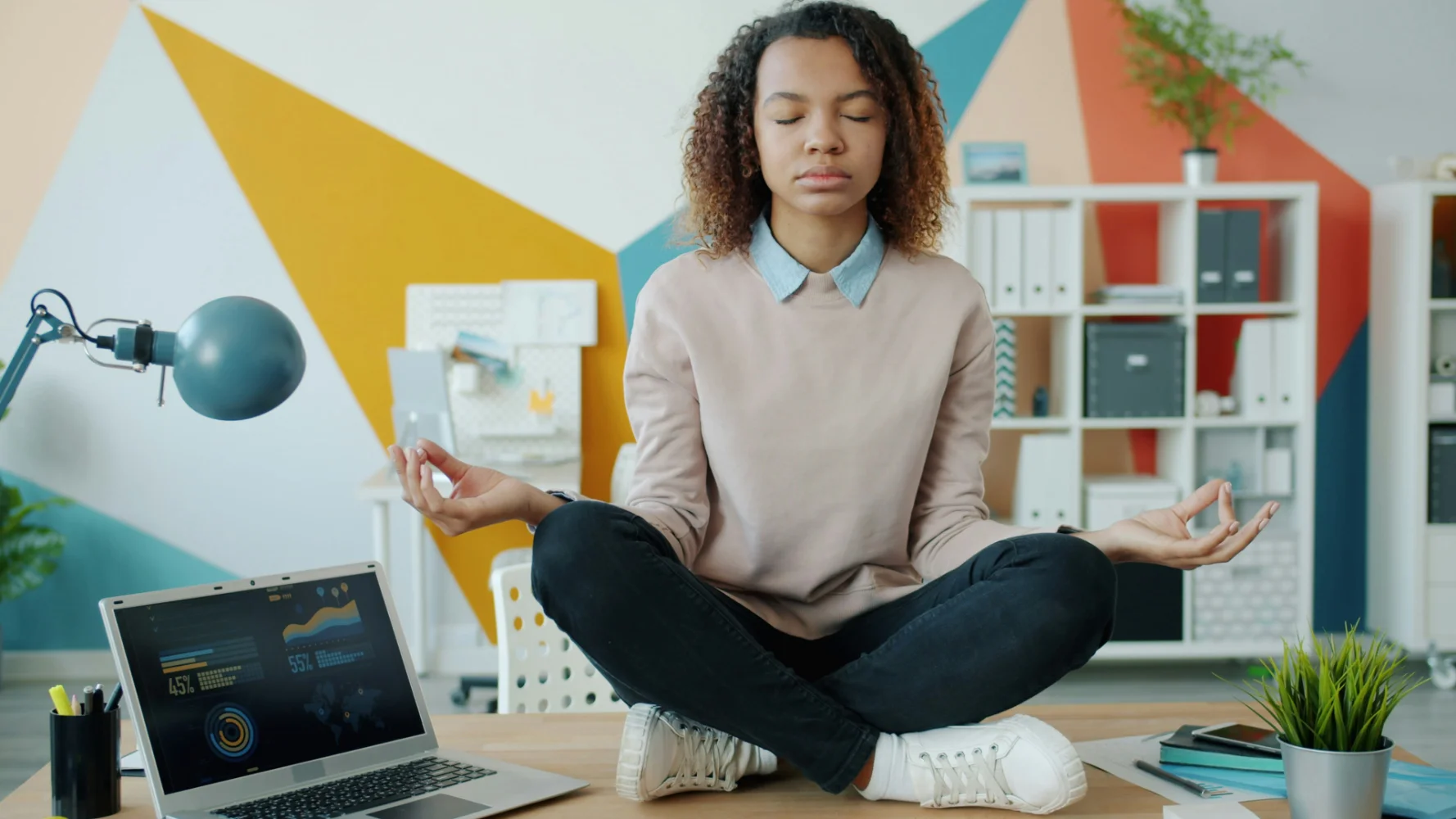
65% of employees experienced burnout in 2023, and 72% say it directly impacted their performance, according to research from CBIA. But here’s what keeps me up at night: this isn’t a temporary spike.
The Hartford found that burnout rates stayed at 61% throughout the pandemic and beyond, with 30% of respondents reporting decreased work engagement. This represents millions of people making impossible choices between career growth and personal wellbeing.
The youngest workers are feeling it most acutely. Poor work-life balance causes severe stress and anxiety for 34% of Gen Z workers and 30% of Millennials, according to Clockify’s 2025 work-life balance statistics.
I see this pattern everywhere I look. We’ve built a culture that rewards constant availability and punishes rest. We celebrate people who answer emails at midnight and judge those who take lunch breaks.
But the data tells a different story about what actually drives results.
Companies are starting to notice what we’ve felt for years: this approach doesn’t work. Employee engagement has fallen from 36% in 2020 to just 31% in 2024.
That’s not a small dip—that’s millions of people who’ve stopped caring about work that demands everything from them.
The question isn’t whether we’re working hard enough. We’re working ourselves into the ground. The question is: what if we’ve been measuring productivity wrong this entire time?
💡 Quick Tip: If you’re reading this while fighting burnout, know that you’re not broken. The system is. And there’s a better way forward.
2. Mindful Productivity: The Data-Driven Alternative to Hustle Culture
Here’s what works: doing less, better.
I know that sounds like another wellness cliche. But stay with me, because the numbers tell a completely different story than hustle culture does.
Google’s mindfulness program reported that participants experienced a 32% increase in emotional intelligence and a 20% boost in focus. These aren’t marginal gains. These are transformative improvements that directly impact work quality.
Microsoft Japan tried something radical: they gave employees a four-day workweek while emphasizing focused work periods. The result? A 40% increase in productivity despite reduced hours.
Think about that for a moment. They worked less and achieved more.
Pharmaceutical giant Merck discovered something similar when their research teams adopted “deep work” protocols. These teams developed patent-worthy innovations 28% faster than teams using conventional work methods.
The evidence keeps mounting. A large-scale meta-analysis reviewing 153 studies involving over 12,000 participants found that mindfulness-based interventions significantly improved workplace performance, according to the Organization Development Journal.
The specifics matter here:
- 30% reduction in psychological stress
- 13-22% improvement in job satisfaction
- Moderate to large improvements in anxiety and depression symptoms
But mindful productivity isn’t about meditation apps or breathing exercises (though those help). It’s about fundamentally rethinking how we approach work.
Quality over quantity. Intentionality over busyness. Presence over multitasking.
Workers who maintain a healthy work-life balance are 21% more productive than those who don’t, according to 4 Day Week research. And 85% of businesses with work-life balance initiatives report higher productivity.
I spent years believing that working longer hours made me more valuable. The research shows the opposite is true.
The most productive people aren’t the ones doing the most tasks—they’re the ones doing the right tasks with full attention.
📖 Real Example:
When Basecamp implemented a 32-hour summer workweek, they didn’t see productivity drop. Instead, employees reported feeling more focused and energized. The constraint forced teams to eliminate unnecessary meetings and focus on what truly mattered. Revenue remained stable while employee satisfaction soared.
3. The Neuroscience of Slowing Down
Your brain wasn’t built for constant productivity.
I know that’s hard to hear in a culture that treats rest like weakness. But neuroscience research reveals something fascinating about what happens when we slow down.
Practices like mindfulness and intentional rest strengthen your prefrontal cortex—the part of your brain responsible for focus, decision-making, and emotional regulation, according to Mind Forest’s analysis of slow living psychology.
When you’re constantly rushing and multitasking, you disrupt something called the “default mode network.” This network is active during rest and plays a critical role in memory consolidation, creativity, and self-reflection.
Here’s what that means in practice: every time you skip breaks or fill quiet moments with scrolling, you’re robbing your brain of the processing time it needs to make sense of information and generate new ideas.
A 2022 study on mindfulness-based stress reduction programs revealed something remarkable. Participants experienced significant increases in “time affluence”—the feeling of having enough time.
This feeling was strongly associated with higher overall wellbeing, as reported by Dr. Axe’s research on slow living practices.
Harvard Health research found that slow living practices may indirectly offer health benefits, including lowering stress levels and blood pressure as individuals become more mindful during the day.
But the benefits go deeper than stress reduction.
When you give your brain permission to slow down, you’re not being lazy. You’re allowing your prefrontal cortex to do what it does best: synthesize information, make connections, and solve complex problems.
I’ve experienced this firsthand during quiet morning walks in nature. The insights that emerge during these slow moments rarely come during back-to-back meetings.
Think of your brain like soil. Constant cultivation exhausts it. But periods of rest—lying fallow—allow it to rebuild the nutrients needed for future growth.
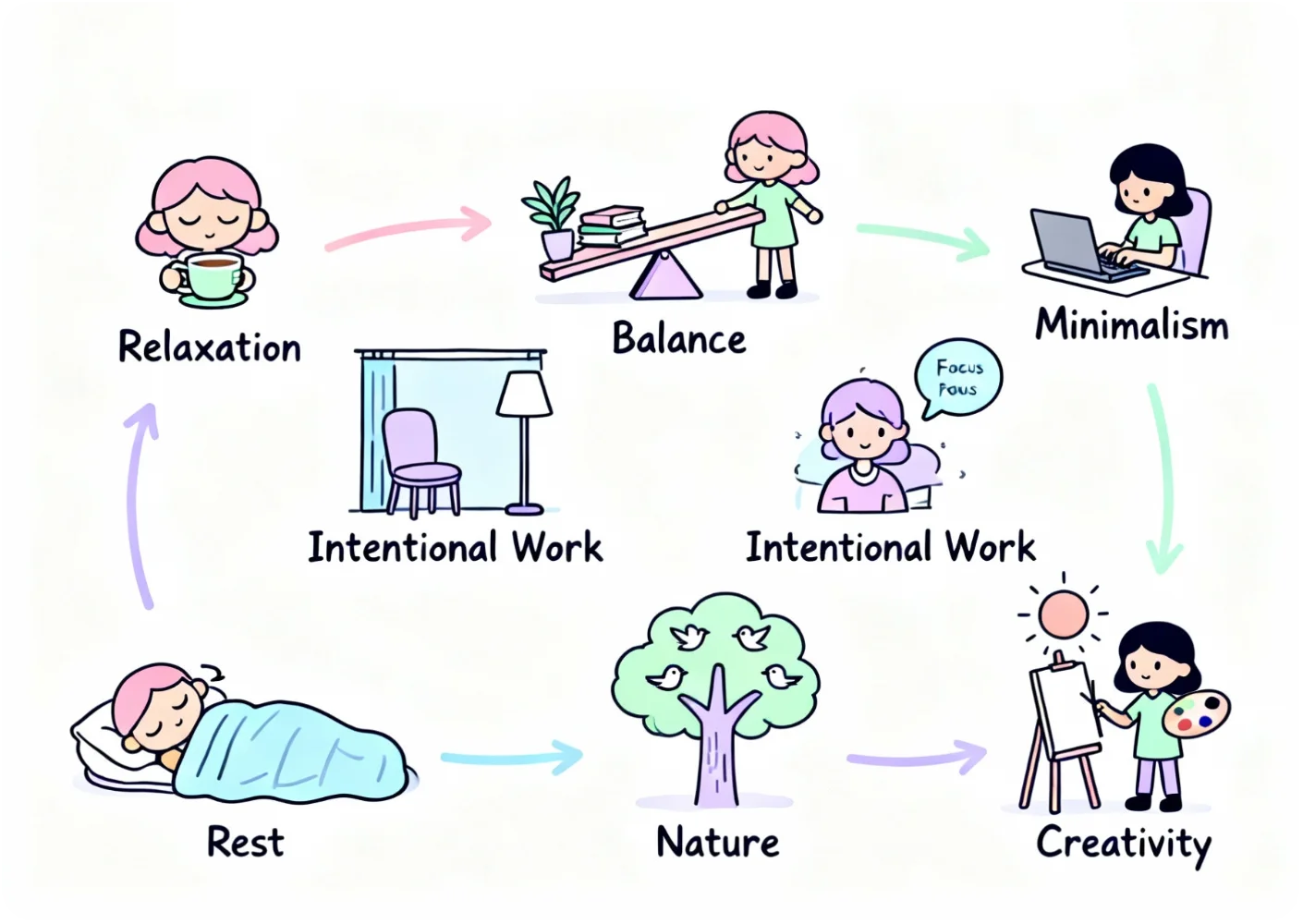
💡 Quick Tip: Schedule “white space” in your calendar this week. Even 15 minutes of unstructured time can help your brain process information and reset.
4. Single-Tasking: The Productivity Myth Debunked
Multitasking is a lie we’ve been told for decades.
I used to wear my ability to juggle multiple projects like a badge of honor. Ten browser tabs open, three messaging apps pinging, email refreshing in the background while I wrote reports and joined video calls.
Productive, right? Wrong.
Research from Stanford University shows that multitasking actually impairs cognitive performance. Your brain isn’t built to perform several high-focus tasks simultaneously.
Instead, it switches rapidly between tasks, incurring a “switching cost” each time that reduces efficiency and increases errors.
The numbers are stark. Studies published in the journal Cognition found that participants who multitasked took longer to complete tasks and performed worse than those who focused on one task at a time.
Single-tasking produces measurably better results, according to Mindspace X research:
- 31% increase in overall productivity
- 27% reduction in errors
- 50% improvement in project completion rates
But here’s what surprised me most: single-tasking isn’t just about efficiency. It’s about presence.
When you give one task your full attention, you notice details you would have missed. You make connections that wouldn’t have emerged. You do work you’re actually proud of instead of just checking boxes.
I started experimenting with single-tasking during a particularly overwhelming project period. I closed all browser tabs except the one I was working on. I put my phone in another room.
I set a timer for 90 minutes and committed to one document.
The first 10 minutes felt uncomfortable. My brain kept suggesting other “urgent” tasks. But once I pushed through that initial resistance, something shifted. The work flowed. Time moved differently.
This aligns with research showing that workers who maintain healthy work-life balance are 21% more productive, as reported by 4 Day Week. The correlation isn’t coincidental—balance allows for the kind of focused attention that single-tasking requires.
“The most productive people aren’t the ones doing the most tasks—they’re the ones doing the right tasks with full attention.”
Is Your Retreat Idea Ready?
Take this 60-second assessment and discover your biggest opportunities (and hidden obstacles) for creating a transformational retreat experience.
Your data is safe with us. Unsubscribe anytime.
💡 Quick Tip: Try the “one tab rule” tomorrow. Open only one browser tab at a time for focused work. Notice what happens to your attention and output quality.
5. Morning Rituals and Digital Boundaries That Actually Work
Your morning sets the tone for everything that follows.
I used to grab my phone before my feet hit the floor. Email, news, social media—all before coffee. I thought this made me efficient, getting a head start on the day.
What it actually did was hand over control of my attention before I’d consciously decided what mattered.
Creating a mindful morning routine means starting your day with clarity rather than stress, reducing reactivity to external demands, according to research on slow living morning routines.
The practices that work best are surprisingly simple:
- Meditation or breathwork (even 5 minutes)
- Gentle stretching or movement
- Gratitude journaling
- Avoiding screens for the first hour
That last one matters more than you might think.
A 2024 review concluded that digital detoxes can significantly reduce depressive symptoms and encourage real-world interactions, according to Medical News Today.
More specifically, a 2023 study that limited social media use to 30 minutes per day for two weeks found participants experienced significant improvements in sleep quality that continued after the detox finished.
Digital boundaries provide tangible benefits, as documented in PubMed Central’s comprehensive review:
- Reduced stress and anxiety
- Improved self-regulation and self-control
- Enhanced sleep
- Increased overall life satisfaction
But setting boundaries isn’t about abandoning technology. It’s about using it intentionally instead of reactively.
I now practice what I call “container hours” for digital engagement. Email gets checked at 9 AM, 1 PM, and 4 PM. Social media stays off my phone entirely.
News consumption happens during a designated 20-minute window.
This structure isn’t rigid—it’s liberating. I know exactly when I’ll address messages, which means I can be fully present during the hours in between.
The Pomodoro Technique offers another practical framework, as explained by Blue Door Media: work for 25 minutes followed by a 5-minute break, with longer breaks after four cycles.
The technique is particularly effective when you combine focused work periods with mindful practices during breaks.
During those 5-minute breaks, I step away from my desk completely. Sometimes I stretch. Sometimes I make tea. Sometimes I just stare out the window and let my thoughts wander.
These micro-moments of presence add up. They prevent the mental fatigue that comes from marathon work sessions and keep your attention sharp throughout the day.
💡 Quick Tip: Tomorrow morning, don’t touch your phone for the first 30 minutes after waking. Replace that time with one intentional practice—movement, journaling, or simply sitting with coffee in silence.
6. Deep Work, Flow States, and Workspace Design
Deep work changes everything.
Cal Newport defines it as sustained concentration on cognitively demanding tasks without distraction. This practice enables you to learn hard things and create quality work quickly, according to Productive Flourishing’s guide on deep work and flow states.
Here’s what shocked me: research indicates that 60% of knowledge workers’ time is spent on coordination rather than skilled work. Think about that.
More than half our hours go to emails, meetings, and administrative tasks instead of the work we were actually hired to do.
Deep work facilitates entry into flow states—those magical periods where you’re completely absorbed in an activity. Flow states are characterized by complete absorption, heavy concentration, clarity, lack of obstacles, and lasting happiness, as explained by Headspace.
But you can’t force flow. You can only create conditions that invite it.
Your physical environment matters more than you might realize. Embracing minimalism enhances mental clarity by reducing stress and anxiety typically linked to cluttered environments, according to Asteroid Health’s research on minimalism and mental health.
The data backs this up: decluttering significantly enhances mental clarity, with research indicating a 75% decrease in stress levels reported by individuals who maintain minimalist spaces.
I redesigned my workspace six months ago using these principles. Before, my desk held stacks of papers, multiple notebooks, random tech accessories, and coffee cups from three days ago.
Now? One notebook. One pen. My laptop. A single plant. Nothing else.
The difference is immediate. When I sit down to work, there’s nothing competing for my attention. No visual noise. No reminders of other tasks. Just the work in front of me.
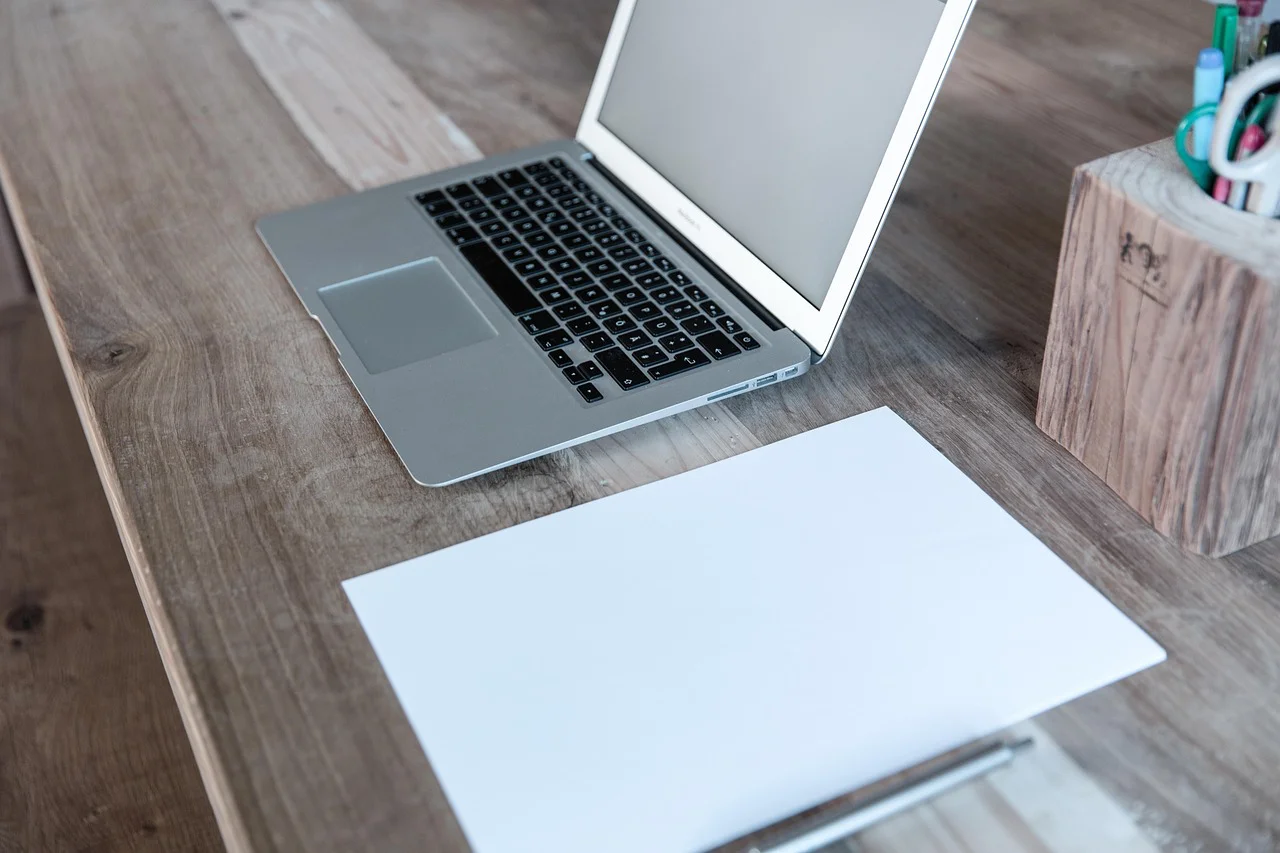
A tidy environment fosters a calming atmosphere that promotes clear thinking and better decision-making, as reported by research from Nourishing Minimalism.
But workspace design extends beyond physical objects. It includes temporal boundaries—the when and how long of focused work.
I protect my deep work hours fiercely now. No meetings before 11 AM. Phone on airplane mode. Email closed. These three hours each morning are when I do the work that actually matters.
The rest of the day? Sure, I’ll take meetings and answer messages. But the important work—the work that requires my best thinking—happens during those protected hours.
Creating space for deep work and flow doesn’t mean working more hours. It means protecting certain hours for the work that moves your most important projects forward.
💡 Quick Tip: Identify your peak cognitive hours (morning, afternoon, or evening) and block two hours tomorrow for deep work. Treat this time as non-negotiable as any important meeting.
7. Nature Connection and Mindful Consumption Practices
Nature heals in ways productivity hacks never will.
Research from Stanford University found that walking in nature for 90 minutes significantly reduced activity in the subgenual prefrontal cortex—a brain region associated with rumination and mental illness risk.
A systematic review and meta-analysis demonstrated that nature walks effectively improve mental health, positively impacting both depression and anxiety.
Even more compelling: women living in areas with the highest amount of green space were 12% less likely to die during an eight-year follow-up period.
I didn’t believe this until I experienced it myself.
I spent years confined to office buildings, treating nature like a luxury reserved for weekends and vacations. Then I started intentionally building outdoor time into my routine—early morning walks, midday breaks outside—not for fitness, but just to be present in natural spaces.
Something shifted. The relentless mental noise quieted. Challenges that felt overwhelming at my desk softened after even a brief walk through trees.
This isn’t magical thinking. It’s neuroscience.
Being in nature allows your brain to rest from directed attention—the kind of focus required for most modern work. This rest period is when your default mode network activates, processing information and making connections that conscious thinking misses.
But slow living extends beyond nature connection into how we consume.
Intentional buying involves making deliberate purchase decisions aligned with personal values and needs rather than succumbing to impulse or external pressures, according to research from Lifestyle Sustainability Directory.
This practice reduces stress, increases satisfaction, and aligns spending with deeper values.
Research shows that excessive materialism is linked to lower levels of happiness, while mindful consumption focusing on quality over quantity brings more lasting satisfaction.
I started applying this principle to everything I bought. Before purchasing anything, I ask three questions:
- Do I need this or want this?
- Will I still value this in a year?
- Does this align with how I want to live?
This simple framework has transformed my relationship with consumption. My closet holds fewer clothes, but I love everything in it. My home contains less stuff, but each object serves a purpose or brings joy.
The result isn’t deprivation. It’s clarity.
When you’re not constantly acquiring and maintaining possessions, you free up mental space for what actually matters—relationships, experiences, growth.
Many of the retreat facilitators who host programs at our secluded Caribbean retreat center incorporate nature immersion as a core element of transformation.
They understand what the research confirms: spending time surrounded by jungle and sea isn’t a luxury. It’s a necessity for mental health and creativity.
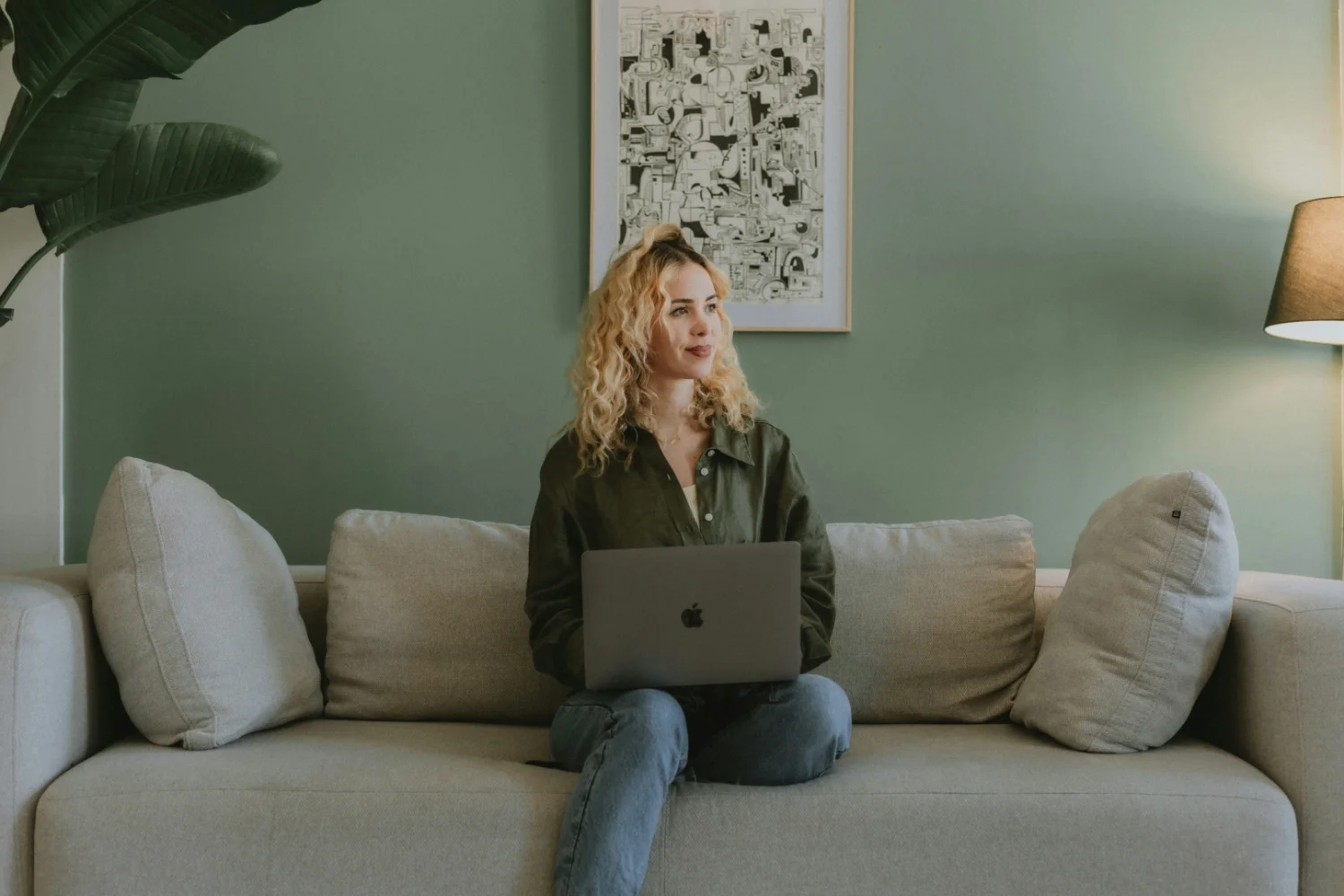
💡 Quick Tip: Schedule a 20-minute nature walk this week without your phone. No podcasts, no music, no agenda. Just you and the natural world.
Get Your Free Retreat Marketing Guide
Step-by-step marketing strategies with templates, checklists, and scripts you can use right away to promote, fill, and optimize your wellness retreat.
8. The Slow Living Movement: From Origins to Modern Applications
Slow living started with food.
In 1986, Italian activists protested the opening of a McDonald’s near the Spanish Steps in Rome. This protest sparked the Slow Food movement, which champions local food systems, seasonal eating, and traditional culinary practices, according to research from The Momentum.
The movement wasn’t about eating slowly (though that’s part of it). It was about resisting a culture that treats food as fuel rather than nourishment, convenience rather than connection.
Since then, slow living has expanded into fashion, tourism, work, education, and parenting, as documented by The Clove Hearth’s analysis of slow living culture.
The core principles remain consistent across all applications:
- Simplicity: Choosing less but better
- Mindfulness: Being present with what you’re doing
- Connection: Building relationships with people and places
- Balance: Honoring rest alongside productivity
- Sustainability: Making choices that consider long-term impact
Supporting local food producers strengthens local economies. Buying local keeps approximately 65% of spending within the community compared to only 40% at large chain stores, according to research from Utah State University Extension.
But the movement extends beyond food into urban planning.
The Cittaslow (Slow City) movement now includes 272 cities across 32 countries, according to Citego’s documentation. These municipalities prioritize quality of life over rapid growth through seventy recommendations including:
- Reduction of energy consumption
- Promotion of ecological technologies
- Multiplication of green spaces
- Priority to public transport
- Development of local shops
- Preservation of local customs and regional products
When you visit a Slow City you’ll see people walking instead of rushing. Shops closed for lunch. Conversations happened on streets instead of through screens.
It’s radical because it is so ordinary. Just humans living at human pace.
The slow fashion movement offers another practical application. Slow fashion prioritizes ethical production, environmental sustainability, durability, and timeless style over the rapid trend cycles of fast fashion, as explained by Weaving Vibes.
Slow fashion brands focus on fair wages, safe working conditions, eco-friendly materials, reduced water consumption, and support for local economies. Although garments may have higher upfront costs, their durability and timeless appeal make them better long-term investments.
I replaced my entire wardrobe over two years using this approach. I now own one-fifth the clothes I used to, but I wear everything regularly.
Getting dressed takes 30 seconds because everything works together and fits well.
The principles of slow living apply universally: prioritize quality, embrace simplicity, make intentional choices, value connection over convenience.
Research on “time affluence”—the psychological sense of having enough time—reveals that cultivating this feeling significantly boosts happiness and reduces stress, even without changing your actual schedule, according to Forbes research on time affluence.
UCLA research found that people with less than two hours of free time daily reported lower happiness levels. But surprisingly, those with over five hours also experienced diminished happiness.
The key to time affluence isn’t having abundant time but feeling assured that you can complete all desired tasks.
This insight changed how I approach scheduling. I don’t try to maximize free time. I try to create a pace where I feel in control of my time rather than controlled by it.
📖 Real Example:
The town of Bra, Italy—birthplace of the Slow Food movement—limits chain stores in favor of local artisans. Residents report higher life satisfaction despite lower GDP per capita than nearby industrial cities. The town square buzzes with conversations over wine and cheese from local producers. This isn’t nostalgia—it’s intentional community design that prioritizes human connection over economic efficiency.
💡 Quick Tip: Identify one area of your life where you could apply slow living principles this month—food, fashion, transportation, or work. Start with small changes and notice what shifts.
Where to Go From Here
Slow living isn’t about doing less.
It’s about doing what matters with full attention and presence. It’s about recognizing that the constant acceleration of modern life isn’t making us more productive—it’s making us more exhausted.
The evidence is overwhelming. Mindfulness programs improve workplace performance by 30%. Single-tasking increases productivity by 31%. Nature walks reduce depression and anxiety.
Digital boundaries improve sleep quality. Minimalist spaces decrease stress by 75%.
But here’s what the data can’t fully capture: the feeling of waking up without dread. The satisfaction of work you’re proud of. The presence in conversations with people you love.
The quiet confidence that comes from knowing you’re living according to your values rather than someone else’s urgency.
I don’t have this figured out. I still catch myself rushing, multitasking, filling every moment with productivity. The difference now is I notice when it happens. And I have tools to return to center.
Start small. Pick one practice from this guide and commit to it for two weeks:
- Morning routine without screens
- Daily nature walks
- Single-tasking with focused work blocks
- Mindful consumption before purchases
- Digital boundaries around email and social media
Track what changes. Not just in your productivity, but in how you feel. In the quality of your attention. In your relationships and rest.
The slow living movement reminds us that in a world obsessed with speed, sometimes the most radical act is simply to slow down.
Your life is happening right now, in this moment. Not after the next promotion or completed project or crossed-off task.
Right now.
What would change if you gave yourself permission to experience it?
Host Your Retreat at Brisa Bahía
Secluded beachfront sanctuary on Colombia’s Caribbean coast near Capurganá. Exclusive-use property for 12-24 guests. We handle logistics, meals, accommodations, and excursions while you focus on transformation.